Journal / Colored Birthstone
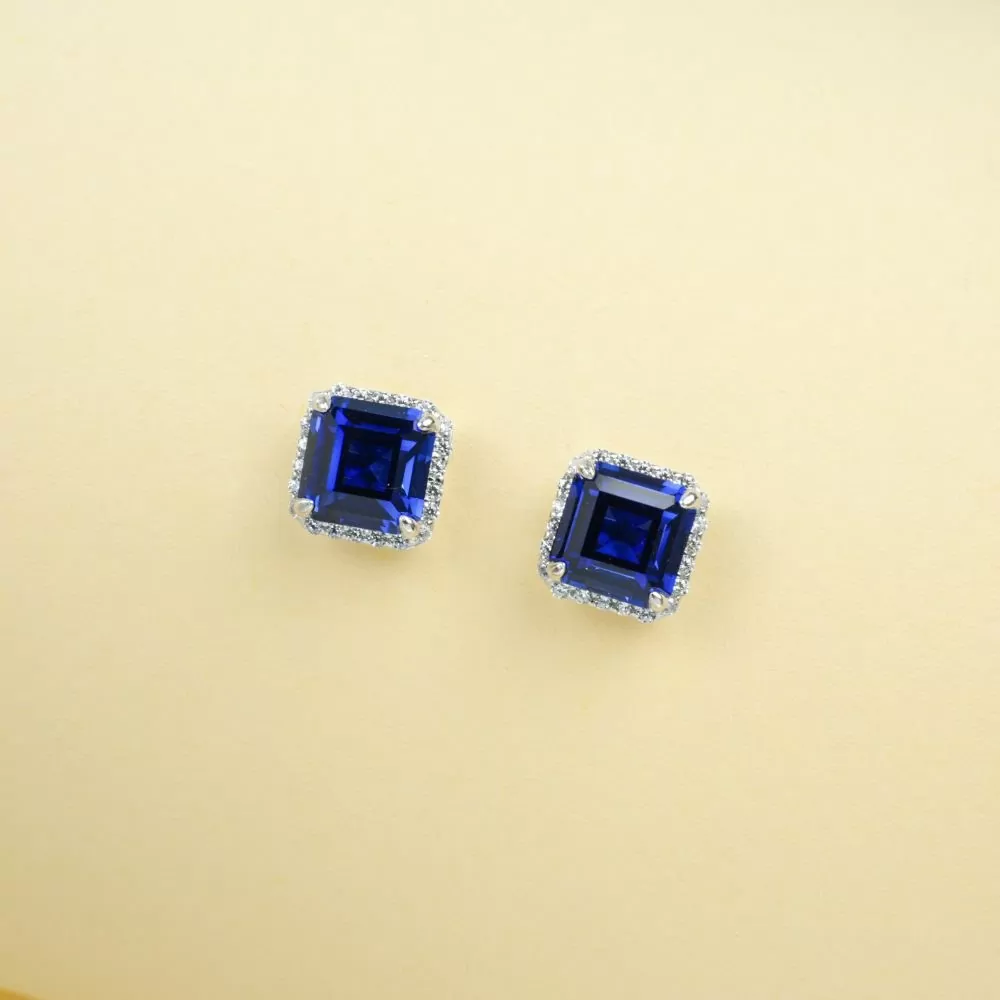
Colored & Birthstone: Seasonal Planning: The - HOLYCOME
We spend most of our time on birthstone, so this guide is written from what comes back to the bench: the pieces that reorder, the complaints that should have been prevented, and the price lines that survive a marketplace margin. Treat the figures below as planning anchors rather than a fixed quotation; metal and stone costs move, and every lot is priced on its own specification.
When you match stones for a pair or a three-stone setting, pull them from the same rough batch so color sits consistently under retail lighting. A matched set sorted by color and table brightness costs a small premium over singles, but mismatched color in a pair is the complaint that returns the whole set.
Color, clarity and cut are judged differently face up than under a loupe. Color matters most in larger stones where the eye reads warmth; clarity is sold face up, and most inclusions visible only under magnification do not change the wear experience. Cut decides how the stone returns light, and a shallow or steep pavilion shows as a dark center that grading alone does not describe.
Carat weight does not map linearly to face-up size. Two stones of the same carat can measure differently depending on cut depth, which is why the millimeter measurement belongs on the spec sheet alongside the carat. Buyers see the diameter first and the weight second, especially in studs and accents where a large table sells the piece.
[1]Birthstone: the practical checks before you order
- Confirm the stone grade and carat on the spec sheet, and note whether it ships on a batch card or a per-stone report.
- Weigh the piece against the listed weight; an underweight shank or body is usually the first sign of a thin build.
- Check the plating or finish at the high-friction points under a loupe, where wear shows first.
- Verify the prongs sit above the girdle and the stone sits level; a tilted stone reads as a cheap setting in any photo.
- Match the certificate number to the card before listing, and keep the batch sheet with the order records.
[2]Planning the first run
After the lot arrives, compare it against the sample you approved rather than against the photograph. Weight, finish, stone match and setting position are the things that drift between sample and bulk, and they are measurable. Keep the arrival photos with the order record so a later exchange or a reorder starts from the same baseline.
When you plan the order, work backwards from the sell-through you can actually predict. A first batch that covers six to eight weeks of sales is easier to correct than a deep run that ties up cash in a style the market has not answered yet. Once the reorder pattern shows, the second buy can go wider on the silhouettes that moved first.
[3]Reference range in our catalogue
| Reference | Specification | MOQ | Unit range |
|---|---|---|---|
| Factory-Direct Lab-Grown Diamond Round Lab-Grown Dia | Lab-Grown Diamond · 925 Sterling Silver | 1 | on request |
| Wholesale Manufacturer Lab-Grown Diamond Round Earri | Lab-Grown Diamond · 925 Sterling Silver | 1 | on request |
| Bulk OEM Lab-Grown Diamond Round Loose Moissanite St | Lab-Grown Diamond · 925 Sterling Silver | 1 | on request |
| Moissanite Watch Bezel MQ002 | Moissanite · 925 Sterling Silver | 1 | on request |
| Moissanite Ring MA135 | Moissanite · 925 Sterling Silver | 1 | on request |
Ranges reflect current factory pricing for this catalogue and move with metal and stone costs; treat them as planning figures and confirm against a written quotation.
We would not advise buying on the lowest quote alone. A unit price that sits well under the market usually comes back as a plating, weight or grade problem later, which costs more than the few cents saved per piece.
If you are putting together a first run in this category, start with the stock silhouettes, keep the size run standard, and let the sell-through decide where the next batch expands. That approach protects margin better than chasing the widest catalogue on day one.
[4]Buyer questions
What does carat weight mean for face-up size?
Carat does not map linearly to diameter; cut depth changes the face-up size. Record the millimeter measurement on the sheet alongside the carat, since buyers see diameter first.
How is color judged on the finished piece?
Color reads most in larger stones where warmth is visible; in smaller accents it is easy to overstate. Match stones for a pair or trio from one batch so color sits consistently under retail lighting.
Can I order a sample before committing to bulk?
Yes. A sample from stock lets you judge weight, finish and communication before the bulk run; compare it against the spec sheet and keep arrival photos for the later comparison.
[5]Related reading
Read Custom Birthstone Jewelry: A Meaningful Commission Guide for the deeper walk-through.
Read Birthstone Hardness and Setting Choice for the deeper walk-through.