Journal / Lab Grown Diamond
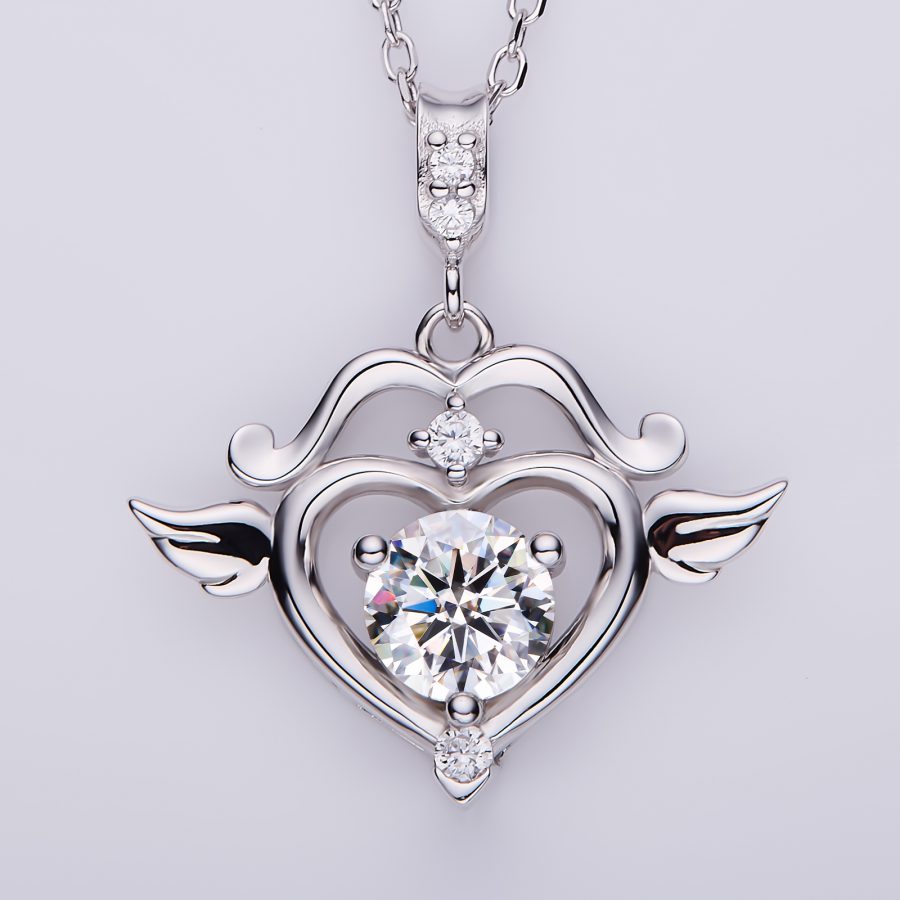
Lab Grown Diamond: Size Consistency: The Spec
We spend most of our time on lab-grown diamonds, so this guide is written from what comes back to the bench: the pieces that reorder, the complaints that should have been prevented, and the price lines that survive a marketplace margin. Treat the figures below as planning anchors rather than a fixed quotation; metal and stone costs move, and every lot is priced on its own specification.
Band width and chain weight change how a size feels. A wide band fits tighter than a thin one at the same number, and a heavy chain sits differently on the neck than a light one. When you list the piece online, state the width and the weight along with the size so the customer chooses against the actual fit, not against the photograph.
Fit problems are the most avoidable return reason in jewelry. A size chart that only lists the US number is not enough; the buyer needs the millimeter inner diameter, because size conventions differ between factories. For rings, measure the finger at the end of the day and account for knuckle width; for chains and bracelets, record the resting measurement rather than the wrist skin measurement.
A stock size run covers the middle of the market; extreme sizes are usually made to order. If you are planning a first buy, start with the size range that sells through fastest for your customer base and add the outer sizes only once the repeat pattern is clear. Half sizes on stock pieces are often adjusted on the bench rather than recast, which is worth asking about before you assume a recast lead time.
[1]Lab-grown diamonds: the practical checks before you order
- Verify the prongs sit above the girdle and the stone sits level; a tilted stone reads as a cheap setting in any photo.
- Match the certificate number to the card before listing, and keep the batch sheet with the order records.
- Ask for the alloy declaration and confirm whether any nickel is added, especially for skin-sensitive customers.
- Confirm the size run, the millimeter measurements and the chain or band width on the listing.
- Photograph the batch on arrival so any later defect claim has a baseline to compare against.
[2]Planning the first run
After the lot arrives, compare it against the sample you approved rather than against the photograph. Weight, finish, stone match and setting position are the things that drift between sample and bulk, and they are measurable. Keep the arrival photos with the order record so a later exchange or a reorder starts from the same baseline.
When you plan the order, work backwards from the sell-through you can actually predict. A first batch that covers six to eight weeks of sales is easier to correct than a deep run that ties up cash in a style the market has not answered yet. Once the reorder pattern shows, the second buy can go wider on the silhouettes that moved first.
[3]Reference range in our catalog
| Reference | Specification | MOQ | Unit range |
|---|---|---|---|
| Wholesale Lab-Grown Diamond Round Lab-Grown Gemstone | Lab-Grown Diamond · 925 Sterling Silver | 1 | on request |
| Factory-Direct Lab-Grown Diamond Round Loose Moissan | Lab-Grown Diamond · 925 Sterling Silver | 1 | on request |
| Bulk OEM Lab-Grown Diamond Round Lab-Grown Diamonds | Lab-Grown Diamond · 925 Sterling Silver | 1 | on request |
| Wholesale Lab-Grown Diamond Pear Jewelry Sets in 925 | Lab-Grown Diamond · 925 Sterling Silver | 1 | on request |
| Wholesale Lab-Grown Diamond Round Earrings in 925 St | Lab-Grown Diamond · 925 Sterling Silver | 1 | on request |
Ranges reflect current factory pricing for this catalog and move with metal and stone costs; treat them as planning figures and confirm against a written quotation.
We would not advise buying on the lowest quote alone. A unit price that sits well under the market usually comes back as a plating, weight or grade problem later, which costs more than the few cents saved per piece.
If you are putting together a first run in this category, start with the stock silhouettes, keep the size run standard, and let the sell-through decide where the next batch expands. That approach protects margin better than chasing the widest catalog on day one.
[4]Buyer questions
What size run should a first order carry?
Start with the middle sizes that sell through fastest for your customer base; add extreme sizes once the repeat pattern is clear. Ask whether half sizes are adjusted on the bench or need a recast before you plan the lead time.
How do I measure the correct size?
Use the millimeter inner diameter alongside the US number, because size conventions differ between factories. Measure at the end of the day and account for knuckle width on rings; for bracelets and chains record the resting measurement.
Can I order a sample before committing to bulk?
Yes. A sample from stock lets you judge weight, finish and communication before the bulk run; compare it against the spec sheet and keep arrival photos for the later comparison.
[5]Related reading
Read Moissanite vs. Diamond: What Buyers Actually Need to Know for the deeper walk-through.
Read Custom Lab Grown Diamond Rings: IGI Reports and Cut for the deeper walk-through.