Journal / Colored Birthstone
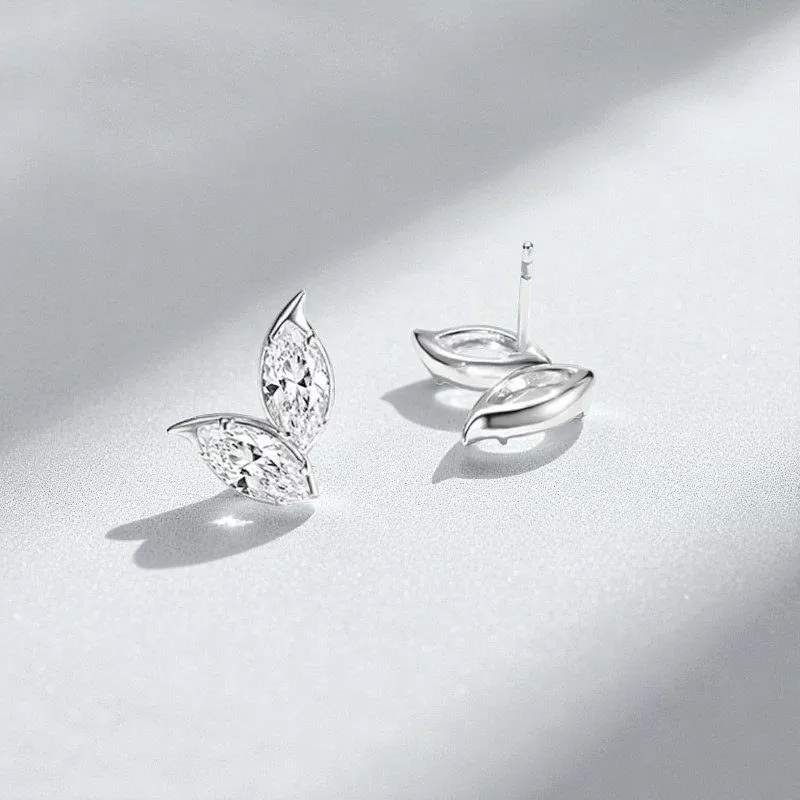
Stud Earrings Wholesale Price List: supplier audit red flags
[1]1. Understanding the Basics of a Stude
Stud earrings are simple yet elegant, consisting of a single stone set in a small metal framework. Buyers often focus on the stone type, size, and metal finish, but the underlying production process can hide quality risks. A reputable supplier will disclose whether the setting is hand‑polished or machine‑finished, as well as the type of backing—whether spring, magnetic, or threaded. These details affect durability and customer satisfaction, especially when selling in bulk.
In China, many factories rush to meet volume demands, sometimes compromising on finishing. Look for evidence that the supplier has a dedicated polishing line, which can improve the first‑pass yield by roughly 20% compared to generic trading houses. The extra cost is usually reflected in the wholesale price but pays off in fewer rejects and a lower return rate.
[2]2. Key Quality Controls You Should Expect
Three‑stage quality control is the gold standard for jewelers. The first stage inspects the raw stone for inclusions, clarity, and cut quality. If you’re buying lab‑grown diamonds, check that the supplier offers GRA or IGI certificates to confirm the stone’s authenticity and grading. These documents should be shared before the product leaves the factory.
During the second stage, the setting process itself is monitored. Any deviation—such as misaligned prongs or uneven backing—can lead to early wear or loss. The final in‑process check verifies that the earrings meet the agreed specifications and that the finishing polish matches your brand’s aesthetic. A strict After‑Quality AQL (Acceptable Quality Level) ensures that the final batch is ready for shipment.
[3]3. Common Audit Red Flags and How to Spot Them
| Red Flag | What It Means | Potential Cost Impact | Mitigation Strategy |
|---|---|---|---|
| Inconsistent Stone Grading | Mixed clarity grades in the same batch | Higher returns, lower resale value | Request batch certificates, spot‑test samples |
| Missing Metal Finish Specifications | Unspecified plating thickness or alloy | Corrosion, customer complaints | Ask for detailed metal reports |
| Unverified Supplier Certifications | No GRA or IGI validation | Risk of counterfeit or mislabelled stones | Verify certificate authenticity before payment |
These red flags often surface during a supplier audit. A vendor that openly provides documentation and is willing to walk through each QC stage earns trust. When you receive a clear audit trail—especially for the in‑process and pre‑ship checks—the likelihood of defects drops significantly.
For a wholesale purchase, the price list will typically list a base rate with an incremental price for custom shapes or sizes. The presence of an audit trail can justify a slightly higher upfront cost because it reduces overall risk and improves turnaround time.
[4]4. Pricing Structure and Minimum Order Requirements
Our MOQ for stock items starts at a single piece, allowing retailers to test the market before committing to larger quantities. For custom orders, the minimum is 30 pieces, which gives enough volume to justify the tooling costs. Production time varies from 12 to 18 days, depending on the complexity of the setting and the need for custom engraving.
The wholesale price is based on the stone’s carat, cut grade, and metal type. We also factor in the lead time and any special requests. For example, a 0.25‑carat moissanite paired with a 925‑silver setting will have a base price of $12 per piece, with a 10% discount for orders of 100 or more. Customizations such as engraved logos or colored backing will adjust the price accordingly.
[5]5. Payment Options, Shipping, and Contact Channels
- Payment via T/T with a 30% deposit, balance payable on shipment.
- PayPal accepted for sample orders only.
- Delivery under DDP: 5–8 business days to the US.
- DDP to EU requires 10–12 business days due to customs.
- WhatsApp contact at +86 133 7744 7107 for real‑time queries.
All invoices reflect the agreed currency and include a detailed breakdown of stone cost, metal weight, and labor rates. The cost of shipping is separate but transparent. Because we own the entire setting line, we can adjust shipping terms on the fly if you need expedited delivery for a promotional launch.
When you place an order, we’ll send a production schedule and a sample during the middle of the production run—usually around day 8 of the 12–18 day cycle—so you can verify quality before the final batch leaves the factory.
[6]Frequently Asked Questions
What is the minimum order quantity for custom stud earrings?
The MOQ for custom orders is 30 pieces, which ensures that tooling costs are amortized and the final product meets your specifications. Larger orders may qualify for further discounts.
How long does it take to receive a quote and a sample?
After you provide the design specifications, we can deliver a quote within 24 hours. Sample production starts immediately after the 30% deposit, with delivery in 5–7 days via DDP to the US.
Do you offer GRA or IGI certificates for lab‑grown diamonds?
Yes, certificates are issued for each batch of lab‑grown diamonds before shipment. They reflect the stone’s clarity, color, and cut, supporting your product’s marketing claims.
Ready to get started? Contact us for a personalized quote or sample order today.