Journal / Colored Birthstone
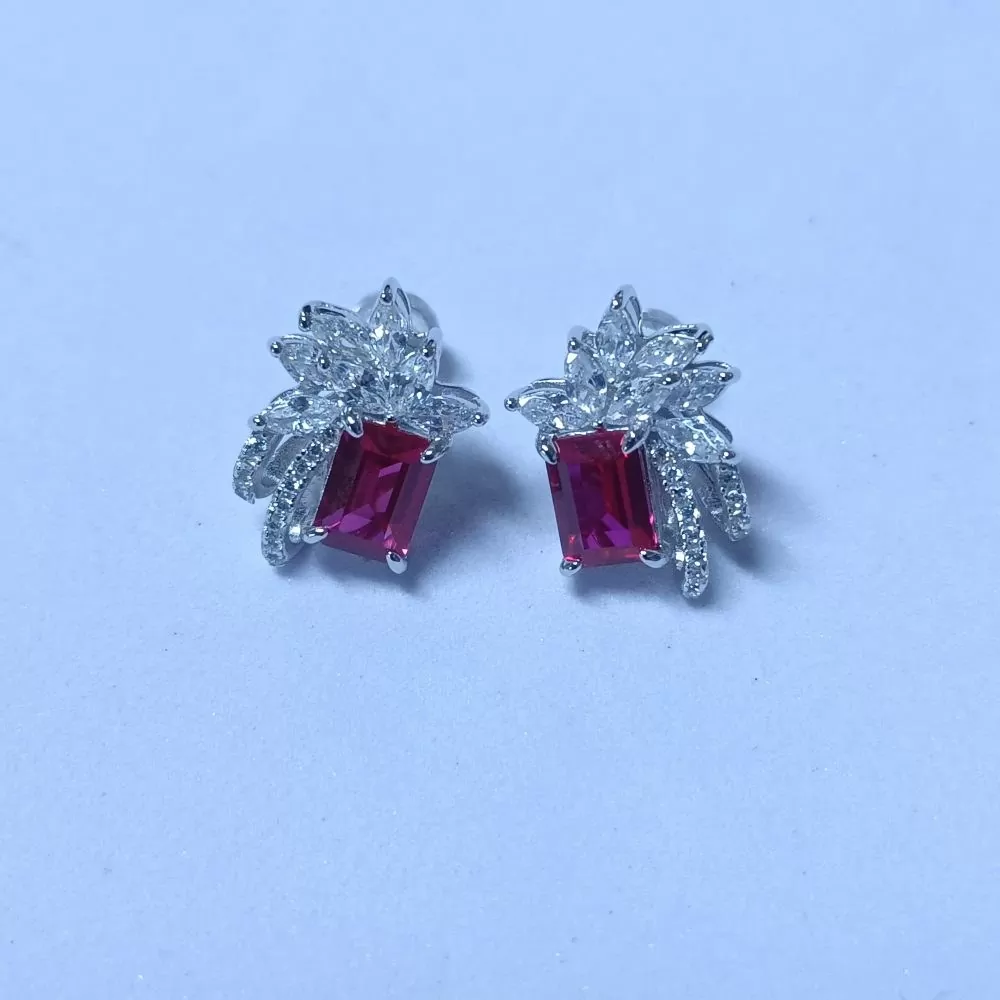
Stud Earrings Supplier for Jewelry Stores: plating thickness and t
[1]Understanding Plating Thickness in Stud Earrings
In the world of lab‑grown diamond and moissanite studs, the plating thickness is a key indicator of durability and aesthetic longevity. A thicker gold or silver layer offers better resistance to everyday abrasion, preventing the underlying metal from showing through. Buyers who focus on high‑traffic locales or rugged usage will find a minimum of 2.0 µm plating a safe baseline.
However, a thicker finish can also increase material cost and weight. For wholesale suppliers, balancing the plating thickness to match your target market’s expectations—whether it’s ultra‑lightweight, luxury‑grade, or everyday wear—ensures both customer satisfaction and profit margins.
[2]The Role of Tarnish Prevention in Store Selection
Tarnish is the silent threat that can erode the appeal of even the finest studs. Protective coatings such as palladium or rhodium not only provide a gleaming finish but also act as a barrier against sulfides and humidity. When evaluating a supplier, ask for the type of anti‑tarnish layer and its recommended maintenance cycle.
For jewelry stores that rotate displays frequently, a tarnish‑resistant finish means less time spent polishing and more time selling. A good supplier will provide a guarantee of tarnish performance for at least 12 months under normal store conditions.
[3]Plating Thickness Standards and Quality Assurance
| Plating Type | Recommended Thickness (µm) | Typical Durability (years) | Common Use Case |
|---|---|---|---|
| Gold (14K) | 2.0–3.0 | 3–5 | Luxury retail |
| Silver (925) | 1.5–2.5 | 2–4 | Everyday wear |
| Palladium | 1.0–1.5 | 4–6 | High‑end boutique |
Our production line follows these industry benchmarks, ensuring that every stud meets or exceeds your store’s quality expectations.
[4]Three‑Stage QC Process: From Stone to Sale
Quality control begins with an incoming stone check that verifies the authenticity of moissanite or lab‑grown diamonds. Each piece is measured against GRA or IGI certificates, guaranteeing the clarity, color, and carat accuracy you require.
During the in‑process check, we inspect the setting and plating thickness. The final pre‑ship AQL inspection confirms that every stud meets the agreed tolerances before leaving the factory. This rigorous approach keeps our first‑pass yield 20 % higher than typical trading partners.
[5]Custom Order Flexibility and Lead Times
Whether you’re stocking a single piece for a seasonal collection or launching a full line, our MOQ policy is designed for flexibility. Stock items can be ordered as low as one piece, while custom orders start at 30 pieces. Lead times are 12–18 days for standard orders and 5–8 days for DDP delivery to the US, ensuring you meet retail deadlines.
We accept T/T with a 30 % deposit for orders over MOQ, and PayPal for samples. For urgent needs, our WhatsApp channel (+86 133 7744 7107) provides real‑time updates on production status.
[6]Why Our Materials Matter for Store Success
- Premium lab‑grown stones with GRA/IGI certification.
- Plating thickness optimized for long‑term wear.
- Anti‑tarnish coatings for minimal maintenance.
- Three‑stage QC guaranteeing consistent quality.
- Fast lead times and flexible MOQ for store agility.
Choosing a supplier with these attributes means your customers see fewer returns and enjoy a higher perceived value in every stud.
[7]Frequently Asked Questions
What is the minimum order quantity for custom studs?
Custom orders start at 30 pieces, but you can order as few as 1 piece for stock samples. Prices adjust accordingly.
How long does it take to receive my order?
Standard lead time is 12–18 days; DDP delivery to the US typically takes 5–8 days after production.
Can I request specific plating thickness?
Yes, we can accommodate up to 3.0 µm for gold and 2.5 µm for silver, depending on your specification sheet.