Journal / Ring Size Fit
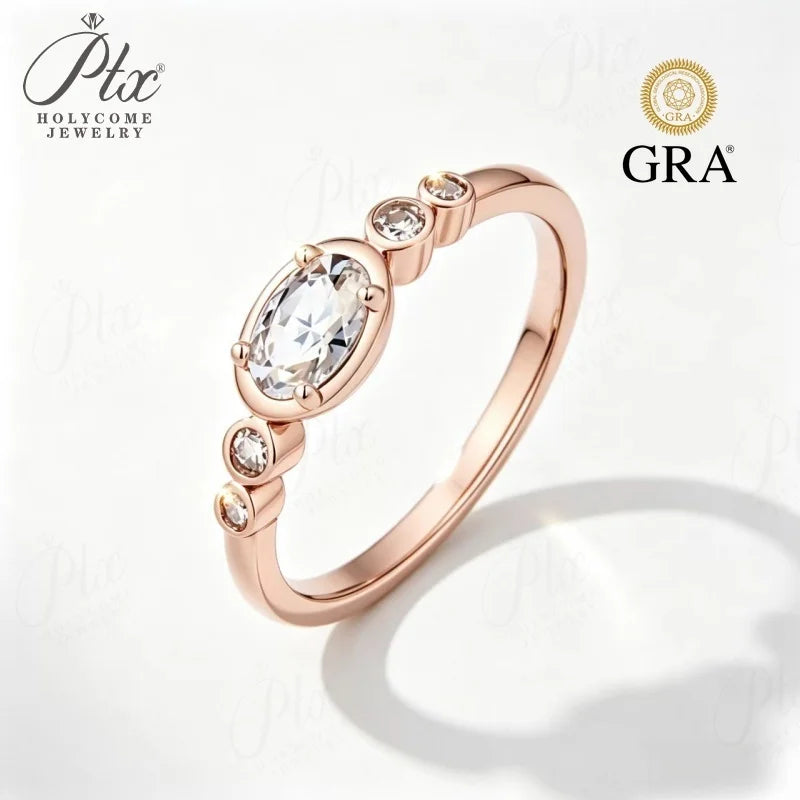
Ring Size & Fit: Launch Checklist: Twelve Items - HOLYCOME
Buyers often ask about ring with a single number in mind — a price, a size, a delivery date. In practice those three are tied together: the MOQ changes the unit price, the specification changes the bench time, and the finish changes how long the piece lasts in the hand. We lay those connections out here so the first conversation with a factory starts from the same set of facts.
Fit problems are the most avoidable return reason in jewellery. A size chart that only lists the US number is not enough; the buyer needs the millimeter inner diameter, because size conventions differ between factories. For rings, measure the finger at the end of the day and account for knuckle width; for chains and bracelets, record the resting measurement rather than the wrist skin measurement.
A stock size run covers the middle of the market; extreme sizes are usually made to order. If you are planning a first buy, start with the size range that sells through fastest for your customer base and add the outer sizes only once the repeat pattern is clear. Half sizes on stock pieces are often adjusted on the bench rather than recast, which is worth asking about before you assume a recast lead time.
Band width and chain weight change how a size feels. A wide band fits tighter than a thin one at the same number, and a heavy chain sits differently on the neck than a light one. When you list the piece online, state the width and the weight along with the size so the customer chooses against the actual fit, not against the photograph.
[1]Ring: the practical checks before you order
- Weigh the piece against the listed weight; an underweight shank or body is usually the first sign of a thin build.
- Check the plating or finish at the high-friction points under a loupe, where wear shows first.
- Verify the prongs sit above the girdle and the stone sits level; a tilted stone reads as a cheap setting in any photo.
- Match the certificate number to the card before listing, and keep the batch sheet with the order records.
- Ask for the alloy declaration and confirm whether any nickel is added, especially for skin-sensitive customers.
[2]Planning the first run
Payment and sample terms should be settled before production starts. A sample order, the approved spec sheet, and the deposit schedule are the three documents that keep a bulk run from becoming a negotiation halfway through. If a supplier is vague on which of these are written down, that vagueness usually repeats on delivery day.
After the lot arrives, compare it against the sample you approved rather than against the photograph. Weight, finish, stone match and setting position are the things that drift between sample and bulk, and they are measurable. Keep the arrival photos with the order record so a later exchange or a reorder starts from the same baseline.
[3]Reference range in our catalogue
| Reference | Specification | MOQ | Unit range |
|---|---|---|---|
| Moissanite Ring YS0005 | Moissanite · 925 Sterling Silver | 1 | on request |
| Oval Round Lab-Grown Gemstone Stud Earrings | Lab-Grown · 925 Sterling Silver | 1 | on request |
| Factory-Direct Lab-Grown Diamond Round Earrings in 9 | Lab-Grown Diamond · 925 Sterling Silver | 1 | on request |
| Factory-Direct Lab-Grown Diamond Round Rings in 925 | Lab-Grown Diamond · 925 Sterling Silver | 1 | on request |
| Wholesale Manufacturer Lab-Grown Diamond Round Rings | Lab-Grown Diamond · 925 Sterling Silver | 1 | on request |
Ranges reflect current factory pricing for this catalogue and move with metal and stone costs; treat them as planning figures and confirm against a written quotation.
In our experience, most disputes on a wholesale order come from a spec that was spoken rather than written. The weight, the plating micron and the stone grade should appear on the order or the spec sheet, not only in the chat.
If you are putting together a first run in this category, start with the stock silhouettes, keep the size run standard, and let the sell-through decide where the next batch expands. That approach protects margin better than chasing the widest catalogue on day one.
[4]Buyer questions
What size run should a first order carry?
Start with the middle sizes that sell through fastest for your customer base; add extreme sizes once the repeat pattern is clear. Ask whether half sizes are adjusted on the bench or need a recast before you plan the lead time.
How do I measure the correct size?
Use the millimeter inner diameter alongside the US number, because size conventions differ between factories. Measure at the end of the day and account for knuckle width on rings; for bracelets and chains record the resting measurement.
Can I order a sample before committing to bulk?
Yes. A sample from stock lets you judge weight, finish and communication before the bulk run; compare it against the spec sheet and keep arrival photos for the later comparison.
[5]Related reading
Read How to Design a Custom Engagement Ring in 2026 (Atelier for the deeper walk-through.
Read Custom Lab Grown Diamond Rings: IGI Reports and Cut for the deeper walk-through.