Journal / Necklace Pendant
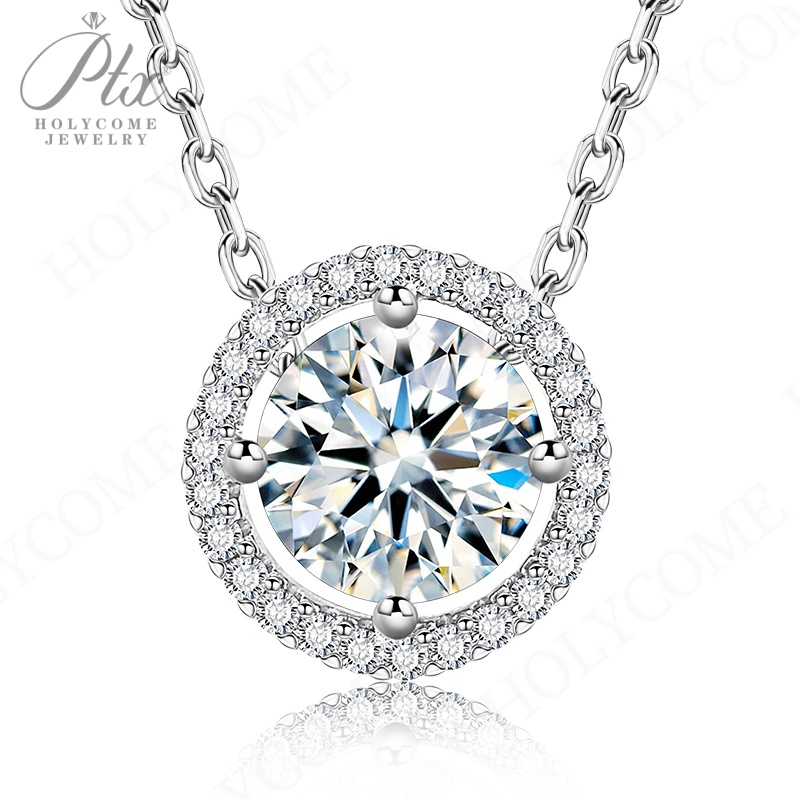
Necklaces & Pendants: Cost Breakdown: The Five - HOLYCOME
Buyers often ask about necklace and necklaces with a single number in mind — a price, a size, a delivery date. In practice those three are tied together: the MOQ changes the unit price, the specification changes the bench time, and the finish changes how long the piece lasts in the hand. We lay those connections out here so the first conversation with a factory starts from the same set of facts.
There are cost lines you should not cut to win a cheaper quote. A thinner band, lighter plating or a lower stone grade saves a few cents per piece and shows up in the return rate. If a quote comes in well under the rest, ask for the weight, the plating micron and the stone grade on paper before you compare the headline number.
The wholesale price breaks into four broad lines: the metal, the stone, the bench labour, and the overhead that covers plating, certificate, packaging and export handling. Of those, labour and plating are the two a supplier can move honestly, while the stone line follows grade and carat. When a quote looks unusually low, the first place to look is the plating thickness and the shank weight, not the branding.
Unit price improves quickly with quantity because the setup cost — mould pass, stone matching, plating bath — is spread across more pieces. The setup is why a single sample costs more per piece than a bulk run, and why ordering a slightly larger quantity at a slightly lower MOQ tier often beats pushing the MOQ down to one.
[1]Necklace and necklaces: the practical checks before you order
- Confirm the size run, the millimeter measurements and the chain or band width on the listing.
- Photograph the batch on arrival so any later defect claim has a baseline to compare against.
- Confirm the stone grade and carat on the spec sheet, and note whether it ships on a batch card or a per-stone report.
- Weigh the piece against the listed weight; an underweight shank or body is usually the first sign of a thin build.
- Check the plating or finish at the high-friction points under a loupe, where wear shows first.
[2]Planning the first run
Payment and sample terms should be settled before production starts. A sample order, the approved spec sheet, and the deposit schedule are the three documents that keep a bulk run from becoming a negotiation halfway through. If a supplier is vague on which of these are written down, that vagueness usually repeats on delivery day.
After the lot arrives, compare it against the sample you approved rather than against the photograph. Weight, finish, stone match and setting position are the things that drift between sample and bulk, and they are measurable. Keep the arrival photos with the order record so a later exchange or a reorder starts from the same baseline.
[3]Reference range in our catalogue
| Reference | Specification | MOQ | Unit range |
|---|---|---|---|
| Custom Private Label Lab-Grown Diamond Round Necklac | Lab-Grown Diamond · 925 Sterling Silver | 1 | on request |
| Pear Moissanite Necklace — MB105--1CT | Moissanite · 925 Sterling Silver | 1 | on request |
| Emerald-Cut Four-Prong 6×8 mm Lab-Grown Gemstone Nec | Lab-Grown · 925 Sterling Silver | 1 | on request |
| Custom Private Label Moissanite Round Necklaces in 9 | Moissanite · 925 Sterling Silver | 1 | on request |
| Wholesale Manufacturer Lab-Grown Diamond Round Neckl | Lab-Grown Diamond · 925 Sterling Silver | 1 | on request |
Ranges reflect current factory pricing for this catalogue and move with metal and stone costs; treat them as planning figures and confirm against a written quotation.
[4]Where the wholesale price sits
| Component | Share | At $31.00 per piece |
|---|---|---|
| Metal and casting | 19% | $5.89 |
| Stone and setting | 37% | $11.47 |
| Labour and finishing | 16% | $4.96 |
| Plating and surface | 11% | $3.41 |
| Certificate and packaging | 8% | $2.48 |
| Margin and export handling | 13% | $4.03 |
A buyer who asks for the sample, the spec sheet and the certificate first usually places the cleaner reorder. The supplier that resists those three before the first deposit is telling you something useful already.
The practical takeaway is straightforward: read the spec sheet before the price, hold the sample before the bulk, and judge the lot on weight, finish and stone match rather than on listing imagery. Do that consistently and the repeat orders mostly take care of themselves.
[5]Buyer questions
What makes up the wholesale price?
Metal, stone, bench labour and the overhead for plating, certificate, packaging and export handling. Labour and plating are the lines a supplier can adjust honestly; the stone line follows grade and carat.
Where can cost be cut honestly without hurting quality?
Packaging tier, order quantity and size run are the cleanest places to adjust. Metal weight, plating thickness and stone grade are the lines not to cut, because those savings return as after-sales problems.
Can I order a sample before committing to bulk?
Yes. A sample from stock lets you judge weight, finish and communication before the bulk run; compare it against the spec sheet and keep arrival photos for the later comparison.
[6]Related reading
Read Designing a Custom Pendant: Chain Length, Drop and Focus for the deeper walk-through.
Read Pendant Bail Strength and Stone Setting for the deeper walk-through.