Journal / Mens Custom Jewelry
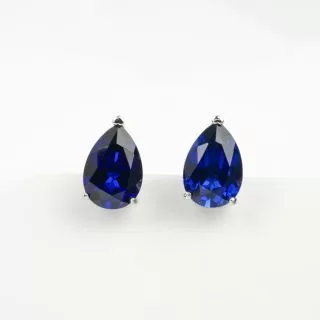
Men’s Custom Jewelry: Supplier Types Compared - HOLYCOME
If you are evaluating this jewellery category for your store, the useful question is not whether the design looks attractive in a listing photo. It is whether the specification, the MOQ, the lead time and the finish can hold up through a real selling season. This page sets out what we look at before we quote a run, and what we would ask you to check before you place one.
On price, the cheaper option is not always the lower-margin one. A piece built thinner, plated lighter or set with a lower-grade stone can look the same in the tray and cost more in after-sales. Work the comparison backwards from your expected retail and your return tolerance, then choose the specification that keeps the second purchase coming back to you.
The honest comparison between the two options is not about which one looks better in isolation; it is about which one fits the customer you are already selling to. A store that moves fashion pieces at a lower ticket gets a different answer than a bridal store selling to a one-time, higher-value purchase. Compare them on metal weight, stone grade, certificate and expected wear, not on sparkle in a single photograph.
One difference buyers underrate is how the piece reads after months of wear. A setting that looks identical on day one can separate on plating, prongs or chain strength within a season, and that difference shows up as your return rate rather than as a visible spec on the quote. We keep both options in the catalogue so a buyer can hold the sample side by side before committing to a price tier.
[1]This jewellery category: the practical checks before you order
- Confirm the stone grade and carat on the spec sheet, and note whether it ships on a batch card or a per-stone report.
- Weigh the piece against the listed weight; an underweight shank or body is usually the first sign of a thin build.
- Check the plating or finish at the high-friction points under a loupe, where wear shows first.
- Verify the prongs sit above the girdle and the stone sits level; a tilted stone reads as a cheap setting in any photo.
- Match the certificate number to the card before listing, and keep the batch sheet with the order records.
[2]Planning the first run
When you plan the order, work backwards from the sell-through you can actually predict. A first batch that covers six to eight weeks of sales is easier to correct than a deep run that ties up cash in a style the market has not answered yet. Once the reorder pattern shows, the second buy can go wider on the silhouettes that moved first.
Mixing the range on the first order is a judgment call. A small number of proven designs at a workable MOQ gives the bench less to set up and the buyer fewer decisions to defend if something underperforms. Reserve the experimental finishes and newer shapes for a later batch, once the core of the catalogue has proved itself with your customers.
[3]Reference range in our catalogue
| Reference | Specification | MOQ | Unit range |
|---|---|---|---|
| Four-Prong Lab-Grown Gemstone Stud Earrings — MC054 | Lab-Grown · 925 Sterling Silver | 1 | on request |
| Custom Private Label Lab-Grown Diamond Round Jewelry | Lab-Grown Diamond · 925 Sterling Silver | 1 | on request |
| Custom Private Label Lab-Grown Diamond Round Loose M | Lab-Grown Diamond · 925 Sterling Silver | 1 | on request |
| Bulk OEM Lab-Grown Diamond Round Loose Moissanite St | Lab-Grown Diamond · 925 Sterling Silver | 1 | on request |
| Wholesale Lab-Grown Diamond Round Lab-Grown Gemstone | Lab-Grown Diamond · 925 Sterling Silver | 1 | on request |
Ranges reflect current factory pricing for this catalogue and move with metal and stone costs; treat them as planning figures and confirm against a written quotation.
[4]Where the wholesale price sits
| Component | Share | At $14.00 per piece |
|---|---|---|
| Metal and casting | 21% | $2.94 |
| Stone and setting | 41% | $5.74 |
| Labour and finishing | 19% | $2.66 |
| Plating and surface | 8% | $1.12 |
| Certificate and packaging | 9% | $1.26 |
| Margin and export handling | 11% | $1.54 |
We would not advise buying on the lowest quote alone. A unit price that sits well under the market usually comes back as a plating, weight or grade problem later, which costs more than the few cents saved per piece.
If you are putting together a first run in this category, start with the stock silhouettes, keep the size run standard, and let the sell-through decide where the next batch expands. That approach protects margin better than chasing the widest catalogue on day one.
[5]Buyer questions
Which option should my store stock first?
Start with the one that matches your existing customer and ticket. If you sell fashion pieces at a lower price, the silver or plated range moves first; a bridal or gift store usually moves toward the higher-grade setting. Compare the sample side by side before committing depth to either.
Is one more durable than the other?
Durability follows the build rather than the label: shank weight, plating micron and prong construction decide how the piece holds up. Ask for those on the spec sheet instead of judging durability from the listing description.
Can I order a sample before committing to bulk?
Yes. A sample from stock lets you judge weight, finish and communication before the bulk run; compare it against the spec sheet and keep arrival photos for the later comparison.
[6]Related reading
Read Is D-Color Moissanite Worth It in 2026? for the deeper walk-through.
Read Custom Lab Grown Diamond Rings: IGI Reports and Cut for the deeper walk-through.