Journal / Lab Grown Diamond
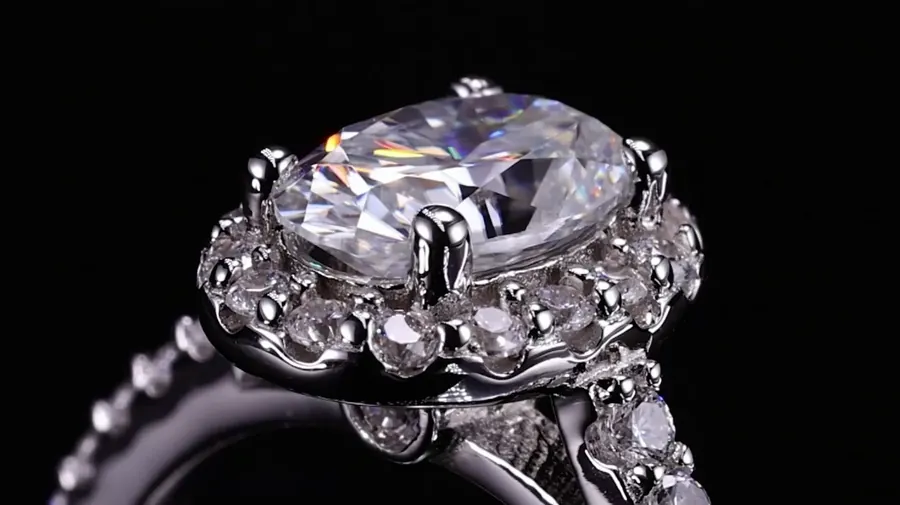
Loose Lab Diamonds: Buy by Report, Not by Photo
Buyers often ask about diamond with a single number in mind — a price, a size, a delivery date. In practice those three are tied together: the MOQ changes the unit price, the specification changes the bench time, and the finish changes how long the piece lasts in the hand. We lay those connections out here so the first conversation with a factory starts from the same set of facts.
For a first order, a small sample or stock batch tells you how the factory handles fit, finish and communication before you commit volume. Read the sample against the spec sheet, photograph it on arrival, and use that baseline to judge the bulk lot when it ships. The repeat order is where the supplier relationship actually proves itself.
Our recommendation for a buyer new to the category is to keep the first run narrow: one or two proven silhouettes, a standard size run and a finish the catalogue already holds. Once the sell-through and the return pattern are visible, widen the range on the pieces that reorder rather than spreading the first budget across many designs.
Start the conversation from the product rather than the price. Look at what the piece is made of, what grade the stone carries, what the MOQ allows and how the finish is specified, then work the quote around that. A price compared across unknown specifications is the comparison that leads to the wrong reorder.
[1]Diamond: the practical checks before you order
- Ask for the alloy declaration and confirm whether any nickel is added, especially for skin-sensitive customers.
- Confirm the size run, the millimeter measurements and the chain or band width on the listing.
- Photograph the batch on arrival so any later defect claim has a baseline to compare against.
- Confirm the stone grade and carat on the spec sheet, and note whether it ships on a batch card or a per-stone report.
- Weigh the piece against the listed weight; an underweight shank or body is usually the first sign of a thin build.
[2]Planning the first run
When you plan the order, work backwards from the sell-through you can actually predict. A first batch that covers six to eight weeks of sales is easier to correct than a deep run that ties up cash in a style the market has not answered yet. Once the reorder pattern shows, the second buy can go wider on the silhouettes that moved first.
Mixing the range on the first order is a judgment call. A small number of proven designs at a workable MOQ gives the bench less to set up and the buyer fewer decisions to defend if something underperforms. Reserve the experimental finishes and newer shapes for a later batch, once the core of the catalogue has proved itself with your customers.
[3]Reference range in our catalogue
| Reference | Specification | MOQ | Unit range |
|---|---|---|---|
| Wholesale Lab-Grown Diamond Heart Earrings in 925 St | Lab-Grown Diamond · 925 Sterling Silver | 1 | on request |
| Custom Private Label Lab-Grown Diamond Round Lab-Gro | Lab-Grown Diamond · 925 Sterling Silver | 1 | on request |
| Bulk OEM Lab-Grown Diamond Round Rings in 925 Sterli | Lab-Grown Diamond · 925 Sterling Silver | 1 | on request |
| Wholesale Manufacturer Lab-Grown Diamond Round Neckl | Lab-Grown Diamond · 925 Sterling Silver | 1 | on request |
| Wholesale Manufacturer Lab-Grown Diamond Round Earri | Lab-Grown Diamond · 925 Sterling Silver | 1 | on request |
Ranges reflect current factory pricing for this catalogue and move with metal and stone costs; treat them as planning figures and confirm against a written quotation.
[4]Where the wholesale price sits
| Component | Share | At $13.00 per piece |
|---|---|---|
| Metal and casting | 21% | $2.73 |
| Stone and setting | 36% | $4.68 |
| Labour and finishing | 16% | $2.08 |
| Plating and surface | 11% | $1.43 |
| Certificate and packaging | 6% | $0.78 |
| Margin and export handling | 15% | $1.95 |
The pieces that reorder are rarely the most photographed ones. They are the ones that fit the customer, hold the finish and arrive without surprises — which is why we spend the inspection pass on fit and weight before the lot ships.
The practical takeaway is straightforward: read the spec sheet before the price, hold the sample before the bulk, and judge the lot on weight, finish and stone match rather than on listing imagery. Do that consistently and the repeat orders mostly take care of themselves.
[5]Buyer questions
What should my first order include?
A small sample or stock batch, the spec sheet and the certificate records. Judge the sample against the sheet, photograph it on arrival, and use that baseline for the bulk lot.
How do I start in this category?
Keep the first run narrow: one or two proven silhouettes, a standard size run and an existing finish. Once sell-through and returns are visible, widen the range on the pieces that reorder.
Can I order a sample before committing to bulk?
Yes. A sample from stock lets you judge weight, finish and communication before the bulk run; compare it against the spec sheet and keep arrival photos for the later comparison.
[6]Related reading
Read Moissanite vs. Diamond: What Buyers Actually Need to Know for the deeper walk-through.
Read Custom Lab Grown Diamond Rings: IGI Reports and Cut for the deeper walk-through.