Journal / Lab Grown Diamond
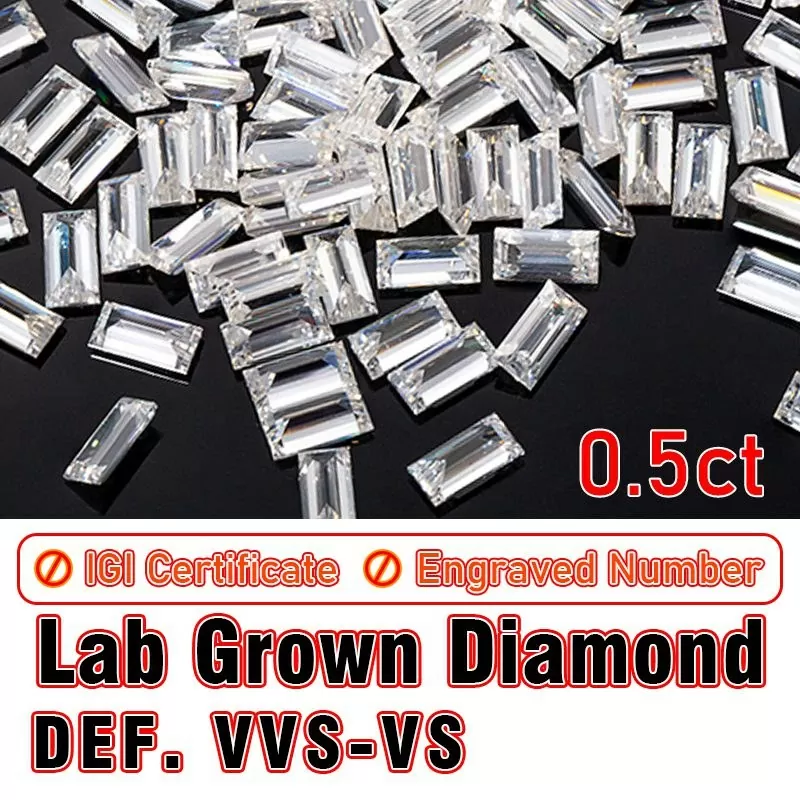
Lab Grown Diamond Stone Strategy: What the 100 - HOLYCOME
Buyers often ask about diamond with a single number in mind — a price, a size, a delivery date. In practice those three are tied together: the MOQ changes the unit price, the specification changes the bench time, and the finish changes how long the piece lasts in the hand. We lay those connections out here so the first conversation with a factory starts from the same set of facts.
Our recommendation for a buyer new to the category is to keep the first run narrow: one or two proven silhouettes, a standard size run and a finish the catalogue already holds. Once the sell-through and the return pattern are visible, widen the range on the pieces that reorder rather than spreading the first budget across many designs.
Start the conversation from the product rather than the price. Look at what the piece is made of, what grade the stone carries, what the MOQ allows and how the finish is specified, then work the quote around that. A price compared across unknown specifications is the comparison that leads to the wrong reorder.
For a first order, a small sample or stock batch tells you how the factory handles fit, finish and communication before you commit volume. Read the sample against the spec sheet, photograph it on arrival, and use that baseline to judge the bulk lot when it ships. The repeat order is where the supplier relationship actually proves itself.
[1]Diamond: the practical checks before you order
- Weigh the piece against the listed weight; an underweight shank or body is usually the first sign of a thin build.
- Check the plating or finish at the high-friction points under a loupe, where wear shows first.
- Verify the prongs sit above the girdle and the stone sits level; a tilted stone reads as a cheap setting in any photo.
- Match the certificate number to the card before listing, and keep the batch sheet with the order records.
- Ask for the alloy declaration and confirm whether any nickel is added, especially for skin-sensitive customers.
[2]Planning the first run
Mixing the range on the first order is a judgment call. A small number of proven designs at a workable MOQ gives the bench less to set up and the buyer fewer decisions to defend if something underperforms. Reserve the experimental finishes and newer shapes for a later batch, once the core of the catalogue has proved itself with your customers.
Payment and sample terms should be settled before production starts. A sample order, the approved spec sheet, and the deposit schedule are the three documents that keep a bulk run from becoming a negotiation halfway through. If a supplier is vague on which of these are written down, that vagueness usually repeats on delivery day.
[3]Reference range in our catalogue
| Reference | Specification | MOQ | Unit range |
|---|---|---|---|
| Custom Private Label Lab-Grown Diamond Round Jewelry | Lab-Grown Diamond · 925 Sterling Silver | 1 | on request |
| Bulk OEM Lab-Grown Diamond Round Loose Moissanite St | Lab-Grown Diamond · 925 Sterling Silver | 1 | on request |
| Factory-Direct Lab-Grown Diamond Round Necklaces in | Lab-Grown Diamond · 925 Sterling Silver | 1 | on request |
| Custom Private Label Lab-Grown Diamond Round Loose M | Lab-Grown Diamond · 925 Sterling Silver | 1 | on request |
| Wholesale Lab-Grown Diamond Round Necklaces in 925 S | Lab-Grown Diamond · 925 Sterling Silver | 1 | on request |
Ranges reflect current factory pricing for this catalogue and move with metal and stone costs; treat them as planning figures and confirm against a written quotation.
[4]Where the wholesale price sits
| Component | Share | At $45.00 per piece |
|---|---|---|
| Metal and casting | 15% | $6.75 |
| Stone and setting | 37% | $16.65 |
| Labour and finishing | 14% | $6.30 |
| Plating and surface | 7% | $3.15 |
| Certificate and packaging | 6% | $2.70 |
| Margin and export handling | 12% | $5.40 |
A buyer who asks for the sample, the spec sheet and the certificate first usually places the cleaner reorder. The supplier that resists those three before the first deposit is telling you something useful already.
If you are putting together a first run in this category, start with the stock silhouettes, keep the size run standard, and let the sell-through decide where the next batch expands. That approach protects margin better than chasing the widest catalogue on day one.
[5]Buyer questions
How do I start in this category?
Keep the first run narrow: one or two proven silhouettes, a standard size run and an existing finish. Once sell-through and returns are visible, widen the range on the pieces that reorder.
What should my first order include?
A small sample or stock batch, the spec sheet and the certificate records. Judge the sample against the sheet, photograph it on arrival, and use that baseline for the bulk lot.
Can I order a sample before committing to bulk?
Yes. A sample from stock lets you judge weight, finish and communication before the bulk run; compare it against the spec sheet and keep arrival photos for the later comparison.
[6]Related reading
Read Moissanite vs. Diamond: What Buyers Actually Need to Know for the deeper walk-through.
Read Custom Lab Grown Diamond Rings: IGI Reports and Cut for the deeper walk-through.