Journal / Lab Grown Diamond
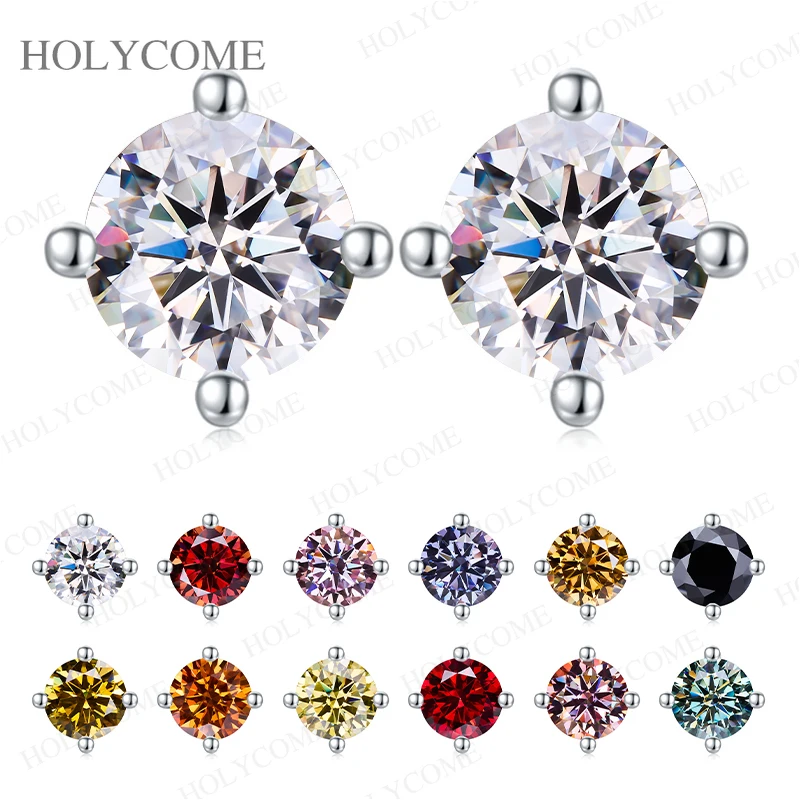
Lab Grown Diamond: Packaging and Brand Assets - HOLYCOME
Buyers often ask about diamond with a single number in mind — a price, a size, a delivery date. In practice those three are tied together: the MOQ changes the unit price, the specification changes the bench time, and the finish changes how long the piece lasts in the hand. We lay those connections out here so the first conversation with a factory starts from the same set of facts.
Private label starts with the piece and ends with the packaging. The factory supplies the setting, the stone and the bench finish; your label, card and box sit on top of that. What moves between a plain stock order and a branded order is packaging, hang tags and the small print on the spec sheet — the design itself can stay the same.
Own packaging pays back at a volume where the per-piece packaging cost stops looking large. Below that volume, a branded card and a neutral box is the more workable middle ground than investing in custom boxes that sit in a corner of your storage. Plan the packaging tier against the order size you actually run, not the one you hope to run.
Clarify who owns the CAD and the mould before a custom design goes into production. On a private label order the design is built to your specification; if you want to move it to another factory later, the mould and the model file are the things to agree in writing. Most disputes here are about tooling ownership, not about the piece itself.
[1]Diamond: the practical checks before you order
- Confirm the stone grade and carat on the spec sheet, and note whether it ships on a batch card or a per-stone report.
- Weigh the piece against the listed weight; an underweight shank or body is usually the first sign of a thin build.
- Check the plating or finish at the high-friction points under a loupe, where wear shows first.
- Verify the prongs sit above the girdle and the stone sits level; a tilted stone reads as a cheap setting in any photo.
- Match the certificate number to the card before listing, and keep the batch sheet with the order records.
[2]Planning the first run
After the lot arrives, compare it against the sample you approved rather than against the photograph. Weight, finish, stone match and setting position are the things that drift between sample and bulk, and they are measurable. Keep the arrival photos with the order record so a later exchange or a reorder starts from the same baseline.
When you plan the order, work backwards from the sell-through you can actually predict. A first batch that covers six to eight weeks of sales is easier to correct than a deep run that ties up cash in a style the market has not answered yet. Once the reorder pattern shows, the second buy can go wider on the silhouettes that moved first.
[3]Reference range in our catalogue
| Reference | Specification | MOQ | Unit range |
|---|---|---|---|
| 0.5ct Round Lab-Grown Diamond Earrings | Lab-Grown Diamond · 925 Sterling Silver | 1 | on request |
| Factory-Direct Lab-Grown Diamond Round Necklaces in | Lab-Grown Diamond · 925 Sterling Silver | 1 | on request |
| Wholesale Manufacturer Lab-Grown Diamond Round Neckl | Lab-Grown Diamond · 925 Sterling Silver | 1 | on request |
| Wholesale Lab-Grown Diamond Round Earrings in 925 St | Lab-Grown Diamond · 925 Sterling Silver | 1 | on request |
| Custom Private Label Lab-Grown Diamond Round Loose M | Lab-Grown Diamond · 925 Sterling Silver | 1 | on request |
Ranges reflect current factory pricing for this catalogue and move with metal and stone costs; treat them as planning figures and confirm against a written quotation.
[4]Where the wholesale price sits
| Component | Share | At $49.00 per piece |
|---|---|---|
| Metal and casting | 20% | $9.80 |
| Stone and setting | 35% | $17.15 |
| Labour and finishing | 16% | $7.84 |
| Plating and surface | 8% | $3.92 |
| Certificate and packaging | 6% | $2.94 |
| Margin and export handling | 15% | $7.35 |
We would not advise buying on the lowest quote alone. A unit price that sits well under the market usually comes back as a plating, weight or grade problem later, which costs more than the few cents saved per piece.
If you are putting together a first run in this category, start with the stock silhouettes, keep the size run standard, and let the sell-through decide where the next batch expands. That approach protects margin better than chasing the widest catalogue on day one.
[5]Buyer questions
Who owns the custom design?
Clarify CAD, mould and tooling ownership in writing before a custom design goes into production. Most disputes are about the files and mould, not about the finished piece.
What does private label include?
The setting and stone are supplied by the factory; your label, card and box sit on top. Packaging, hang tags and spec-sheet wording are what move between a plain stock order and a branded one.
Can I order a sample before committing to bulk?
Yes. A sample from stock lets you judge weight, finish and communication before the bulk run; compare it against the spec sheet and keep arrival photos for the later comparison.
[6]Related reading
Read Moissanite vs. Diamond: What Buyers Actually Need to Know for the deeper walk-through.
Read Custom Lab Grown Diamond Rings: IGI Reports and Cut for the deeper walk-through.