Journal / Necklace Pendant
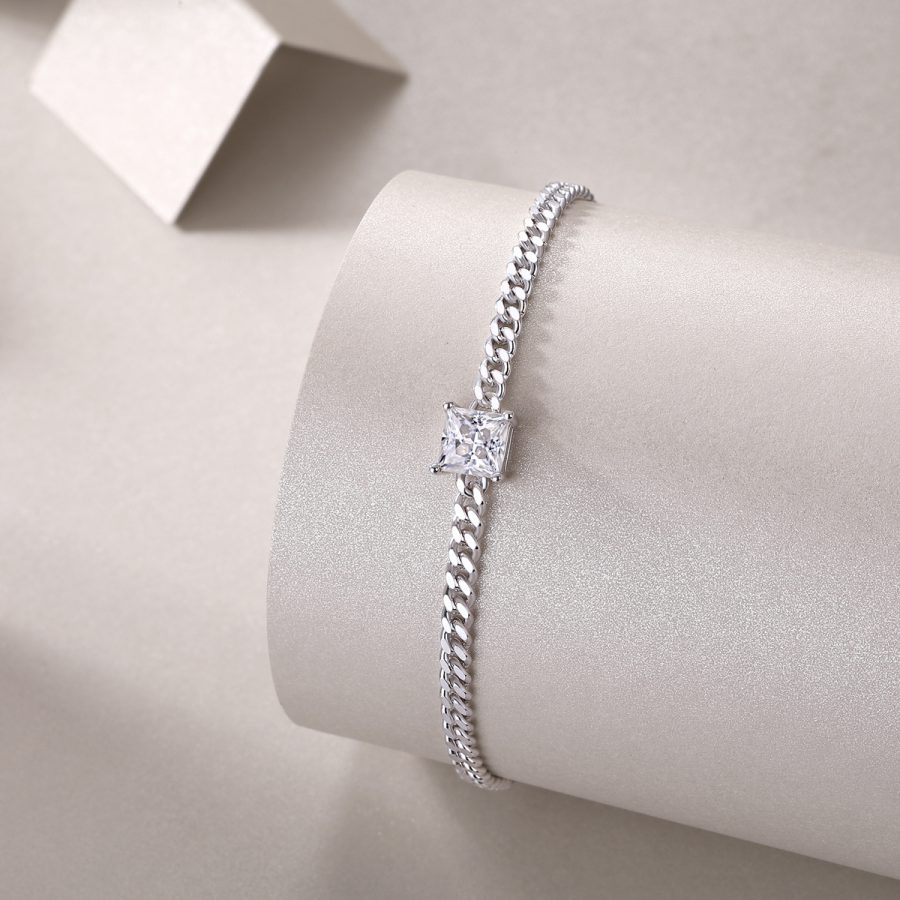
Hoops Huggies Factory Direct: incoming QC and rejection rates
[1]Understanding Our Incoming QC Protocol
When raw moissanite, lab‑grown diamond or sterling silver pieces arrive at our factory, each material undergoes an initial inspection. We measure cut, clarity, and color against the GIA or IGI grading scales. Any stone showing a flaw that could affect its market value is flagged for a detailed assessment. This early check helps us maintain a high first‑pass yield, reducing rework and ensuring that only top‑quality components proceed to the next stage.
Our team of inspectors uses calibrated microscopes and laser scanners to capture surface data. If a piece fails the incoming QC, it is either re‑worked if possible or diverted to a secondary line where a higher level of polishing or setting is applied. This layered approach keeps rejection rates low and guarantees that the final product meets the exact specifications of our wholesale customers.
[2]In‑Process Checks: Keeping Standards Consistent
During the setting and polishing stages, we conduct mid‑production reviews. By sampling each batch, we verify that the metal polish, stone alignment, and overall finish match the design intent. This step is critical because even a small deviation in the hoop or huggie design can lead to a customer complaint or return.
Our digital tracking system logs every inspection, so we can trace any issue back to its source. If an error is detected, the affected pieces are immediately isolated, preventing downstream contamination. This continuity of care is a key factor in our consistently lower rejection rates compared to external trading companies.
[3]Pre‑Ship AQL Verification: The Final Quality Gate
Before any batch leaves the plant, we perform a pre‑ship ASTM‑AQL (Acceptable Quality Level) audit. Our senior QA inspectors evaluate the finished hoops and huggies across multiple dimensions: size tolerance, finish, stone placement, and packaging integrity. The goal is to catch any anomalies that might slip through earlier checks.
| Inspection Stage | Key Metrics | Acceptance Criteria | Typical Result |
|---|---|---|---|
| Incoming | Stone clarity, size | Grade G or higher | 98 % |
| In‑Process | Polish depth, setting alignment | Within ±0.2 mm | 99 % |
| Pre‑Ship | Finish, packaging | Visual defect <1 % | 99.5 % |
[4]How Rejection Rates Impact Your Bottom Line
Each rejected unit represents not only a cost but also potential delays in your supply chain. Because we own the setting and polishing lines, we can rework a piece in real time, often saving the cost of a fresh material purchase. This agility translates to a lower average rejection rate of roughly 2 % versus the industry standard of 5‑7 %.
Lower rejection rates mean fewer batches to ship, quicker turnaround, and less inventory tied up in unsold goods. For your business, that translates to reduced storage costs and a more reliable lead time, which is especially valuable when meeting seasonal demand spikes.
[5]What We Offer You Beyond Quality
- Minimum order quantity of 1 pc for stock items, 30 pcs for custom designs.
- Production lead time of 12‑18 days from order confirmation.
- Delivery via DDP in 5‑8 days to the United States.
- Accepted payment methods: T/T with 30 % deposit or PayPal for samples.
- Direct communication through WhatsApp +86 133 7744 7107 and email service@holycome.com.
[6]Transparency on Pricing and Delivery
Our pricing model is straightforward, with no hidden fees. Because we control the entire production process, we can offer competitive rates while maintaining a high first‑pass yield. Delivery times are consistent, thanks to our DDP service and tight integration with logistics partners.
We understand that suppliers often add surcharges for last‑minute changes or expedited shipping. In our case, any such adjustments are communicated upfront, ensuring you can plan your budgets without surprises.
[7]Frequently Asked Questions
What is the MOQ for custom orders?
Custom orders require a minimum of 30 pieces. This allows us to maintain a balanced production schedule and keep costs manageable for both parties.
How long is the typical lead time for a new batch?
Once you confirm the design and place a 30 % deposit, our production cycle takes 12‑18 days, after which we ship via DDP to the U.S. in 5‑8 days.
Can I pay for samples without a deposit?
Yes, we accept PayPal for sample orders. Full production requires a 30 % T/T deposit to cover material and labor expenses.
If you’re ready to discuss your next order or request samples, contact us today for a quote.