Journal / Lab Grown Diamond
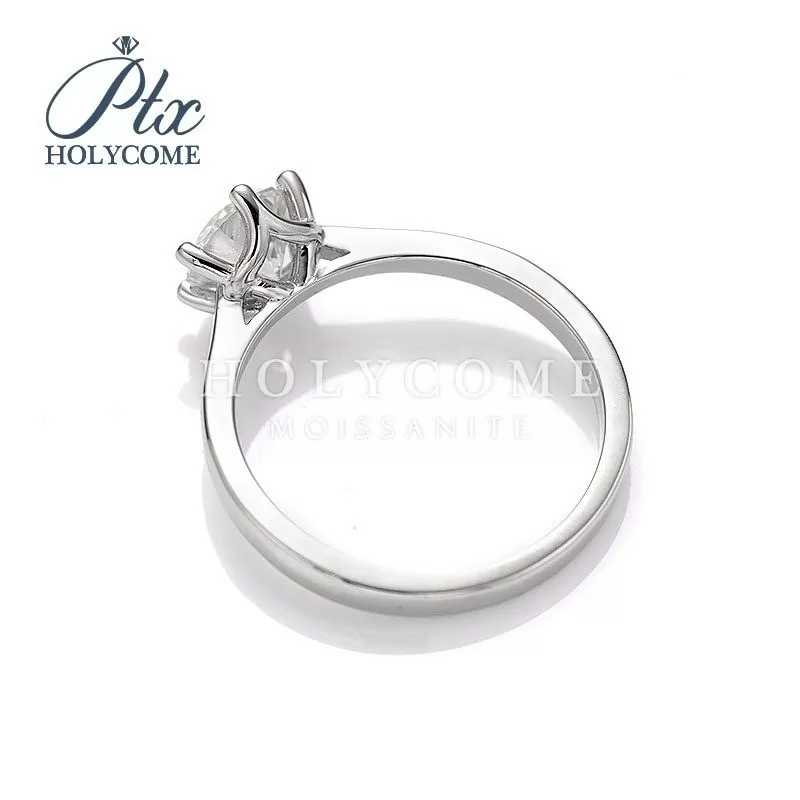
Fashion Rings Factory Direct: Sample to - HOLYCOME
[1]Sample to Container: The Real Calendar
Two buyers ordered the same fashion Ring in the same month. One paid 9% less and absorbed 23 rejects out of 420 pieces; the other paid our quote and shipped clean. The difference was prong geometry, and it was measurable on both benches.
The defect did not surprise us. prong geometry is the predictable output of a run where nobody wrote the tolerance down, and it is the first measurement we take on an incoming fashion Ring. It is written into the fashion Rings spec sheet that travels with the quote, so the bench and the buyer read the same number.
We did not discount the quote. We changed the gauge, the seat cut, the plating log and the tray rule, and the second run shipped with zero rejects on stone retention after a 40-cycle wear test and prong tip height within +/-0.10 mm. It is written into the fashion Rings spec sheet that travels with the quote, so the bench and the buyer read the same number.
[2]What North American buyers Check Before They Sign
Price is the first thing compared and the last thing that matters. These four measurements decide the return rate on fashion Rings, and three of them cost nothing to specify. It is written into the fashion Rings spec sheet that travels with the quote, so the bench and the buyer read the same number.
| Spec point | Common trade output | HOLYCOME standard | Cost if missed |
|---|---|---|---|
| Prong Geometry on fashion Rings | Inspected visually at the tray | Gauntlet check on every piece, limit written in the spec | Returns inside 60 days of wear |
| Rhodium Burn Off on fashion Rings | Batch dependent, not logged | Thickness and tension logged per lot | Complaint after the second season |
| Size Step Drift on fashion Rings | Estimated from nominal | Gauged per size with go/no-go tools | Resize queue and reship cost |
| Tolerance stack-up on fashion Rings | Quote states nominal only | Worst-case band published per SKU | Freight and duty drift |
None of these are premium features. They cost seconds per piece and they remove the reason a buyer has to inspect twice. It is written into the fashion Rings spec sheet that travels with the quote, so the bench and the buyer read the same number.
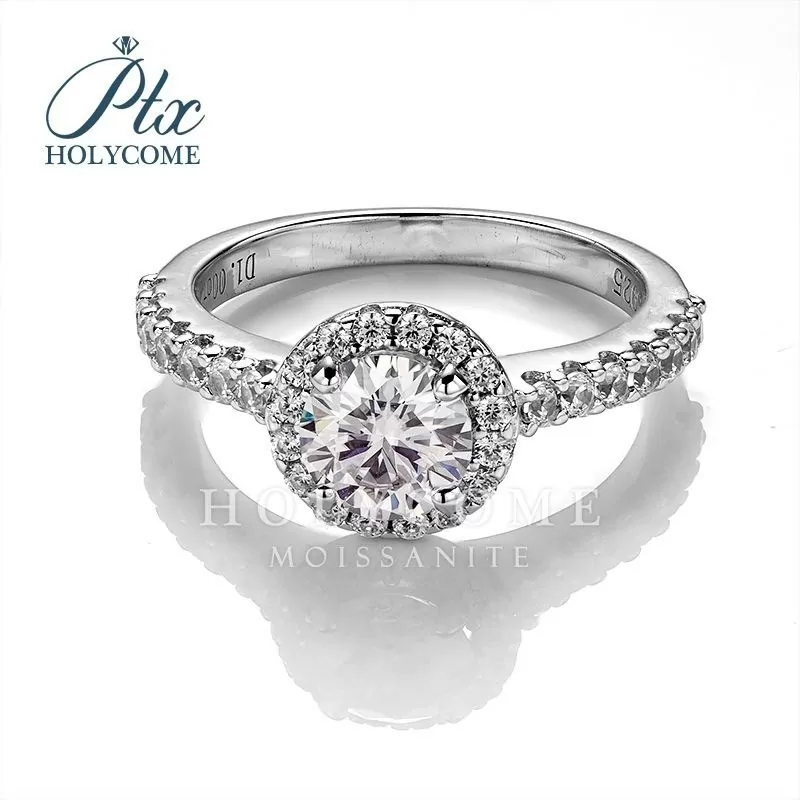
[3]Where USD 38-210 Per Piece Actually Goes
The cost of a fashion Ring in the USD 38-210 band splits roughly as below. The line buyers challenge most is labor, and it is the line that decides whether the piece survives a season. It is written into the fashion Rings spec sheet that travels with the quote, so the bench and the buyer read the same number.
| Cost line | Share | What moves it |
|---|---|---|
| Base metal or alloy for fashion Rings | 34% | Alloy choice and casting yield |
| Stone or melee for fashion Rings | 25% | Sieve range and lot batching |
| Setting and finishing labor for fashion Rings | 22% | Jig design and bench minutes |
| Plating, polish and QC for fashion Rings | 15% | Per-tray versus per-piece checks |
| Packaging and freight for fashion Rings | 4% | Box grade and DDP versus FOB |
If a supplier will not break out the five lines above, the number you are comparing is not a price. It is a total that somebody else assembled from assumptions. It is written into the fashion Rings spec sheet that travels with the quote, so the bench and the buyer read the same number.
[4]The Three Failures We See Most in Incoming Samples
prong geometry
A prong that grips the girdle instead of the pavilion survives the showroom and fails the third ultrasonic clean. The seat has to be cut to the pavilion angle before the prongs close.
Our countermeasure is a gauge and a written limit. It adds about 22 seconds per piece and removes the defect from the run rather than from the carton.
rhodium burn-off
A 0.05 micron rhodium layer reads white in the tray and shows yellow at the shank in six months of daily wear. Thickness, not bath chemistry, is the variable that matters.
In a 420-piece run this typically shows on 14 of pieces. Catching it means measuring stone retention after a 40-cycle wear test at the tray level, not inspecting the finished carton.
size-step drift
A run gauged at size 6 and estimated elsewhere ships a size 8 that measures 7.75. The mismatch shows up as a resize queue two weeks after launch.
The commercial effect is a return shipment plus a resize labor claim, typically USD 9-14 per piece. Buyers who have seen it once put it in the purchase order; buyers who have not usually discover it on the first return.
[5]Sample to Container: The Real Calendar
Most fashion Rings disputes we arbitrate trace back to this line, not to the defect itself.
What buyers underestimate on rings is the cost of the interruption, not the cost of the piece. A missing 6% of a run stalls a launch, and a stalled launch costs more than the 6% ever did.
We plan a 3-5% buffer on first runs of fashion Rings and tell the buyer it exists. Hiding a buffer and shipping it as production is how a supplier trains a buyer to distrust the count.
[6]How a Repeat Order Gets Built
Our process is deliberately boring, because boring is what survives a bulk run with several sets of hands on it. It is written into the fashion Rings spec sheet that travels with the quote, so the bench and the buyer read the same number.
- Spec sheet signed before casting: lost-wax cast, tolerances, plating thickness and packing format.
- Sample in 3-5 working days from stock components, or about 20 days if a new model is required.
- Production photos at three checkpoints: raw cast, post-polish, post-set, with buyer approval at each.
- Bulk in 15-20 days under 500 pieces; custom tooling runs 25-30 days.
- Pre-shipment QC report with per-tray counts and a retained reference tray for disputes.
A first order at 50 pieces per design is a measurement rather than a purchase. It tells you what stone retention after a 40-cycle wear test and prong tip height within +/-0.10 mm looks like from this line. It is written into the fashion Rings spec sheet that travels with the quote, so the bench and the buyer read the same number.
[7]Carton Cube, Duty and the Freight Line That Surprises Buyers
This is the question that separates a trading company from a factory, and on fashion Rings the answer is usually shorter than buyers expect.
In US wholesale terms, this is the difference between a landed cost the buyer can plan against and a number that moves after the container ships. For rings, we publish the figure per SKU and hold it for the order window rather than for the calendar year.
Practically, it shows up in three places for rings: the proforma, the QC sheet and the credit note if something goes wrong. All three should quote the same number. When they do not, the argument is about paperwork, not about the product.
[8]What a Report Proves and What It Does Not
In US wholesale, this is the single most negotiated line on fashion Rings and the least documented one.
Three numbers decide it for rings: the tolerance band, the inspection density and the responsibility clause. Write all three down and the rest of the negotiation is arithmetic. Leave any of them out and it becomes a discussion about intent.
We send a one-page sheet with every fashion Rings quote that states those three, plus the retained-tray rule. Buyers who compare on it usually find that the gap between suppliers is smaller than the gap between the specs they were comparing.
[9]The Sample Approval That Survives Production
Buyers who have run three programs on fashion Rings know this instinctively; first-time buyers learn it the expensive way.
What buyers underestimate on rings is the cost of the interruption, not the cost of the piece. A missing 6% of a run stalls a launch, and a stalled launch costs more than the 6% ever did.
We plan a 3-5% buffer on first runs of fashion Rings and tell the buyer it exists. Hiding a buffer and shipping it as production is how a supplier trains a buyer to distrust the count.
[10]What This Means for a First Order
A test run at 50 pieces tells you three things: whether prong geometry is controlled, whether packing survives freight, and whether the count is honest. It is written into the fashion Rings spec sheet that travels with the quote, so the bench and the buyer read the same number.
Buyers who run that measurement before committing a season usually keep the supplier. Buyers who skip it usually pay twice for the same lesson. It is written into the fashion Rings spec sheet that travels with the quote, so the bench and the buyer read the same number.
[11]Freight, Duty and the Arrival Check
We ship from Guangzhou or Shenzhen, and the port choice follows the carrier rate rather than a fixed habit. It is written into the fashion Rings spec sheet that travels with the quote, so the bench and the buyer read the same number.
DDP is available for US accounts that want duty and clearance on our side, and it removes the invoice that arrives after the carton clears. It is written into the fashion Rings spec sheet that travels with the quote, so the bench and the buyer read the same number.
On arrival, weigh a tray and measure ten pieces. Anything outside the band is a claim with evidence rather than a difference of opinion. It is written into the fashion Rings spec sheet that travels with the quote, so the bench and the buyer read the same number.
[12]Frequently Asked Questions
What is the minimum order for fashion Rings?
50 pieces per fashion Ring. Designs mix inside one shipment, so a first order of three designs at 50 pieces each is normal for a new US account. Below 50 we cannot keep the gauge check independent of the shift, which is the part buyers actually pay for on fashion Rings.
How long does a reorder of the same fashion Ring take?
12-15 days for fashion Rings, because the model, the gauge set and the signed spec stay in our system. A first run is longer: 3-5 days for a stock-component sample, about 20 days if a new model is needed, then 15-20 days for bulk under 500 pieces.
Do you supply certificates for fashion Rings?
IGI or GRA above 0.50 ct for fashion Rings. Below that threshold we supply a batch report plus per-piece measurement of stone retention after a 40-cycle wear test, which is what most resellers need at the counter.
What finish do you use on fashion Rings, and how thick is it?
Rhodium at 0.20 micron minimum on white fashion Rings, with a palladium strike layer so wear-through reads white rather than yellow. Thickness is logged per lot and appears on the QC sheet, not only in the brochure.
How do you handle a rejected tray of fashion Rings?
We replace or credit inside the same order cycle. The retained reference tray decides: if prong geometry shows on our retained fashion Ring we own it, and if it appeared in transit we split the assay cost and file with the carrier. A typical exposure on fashion Rings is a return shipment plus a resize labor claim, typically USD 9-14 per piece.
[13]Next Step
If you are quoting fashion Rings against another supplier, send that quote. We will mark the four lines where the numbers diverge and let you decide. It is written into the fashion Rings spec sheet that travels with the quote, so the bench and the buyer read the same number.
The factory behind fashion Rings here is Wuzhou HengliLai Jewelry Co., Ltd., operating since 2009 in Wuzhou, Guangxi, at roughly 60,000 pieces a month. Reach the export desk at service@holycome.com or +86 18078079070 on WhatsApp.
Related reading: Men’s Rings Factory Direct: AQL, Tray Checks and What a QC Report Should Say - HOLYCOME Stud Earrings Factory Direct: What a Report Proves and What It Does Not - HOLYCOME